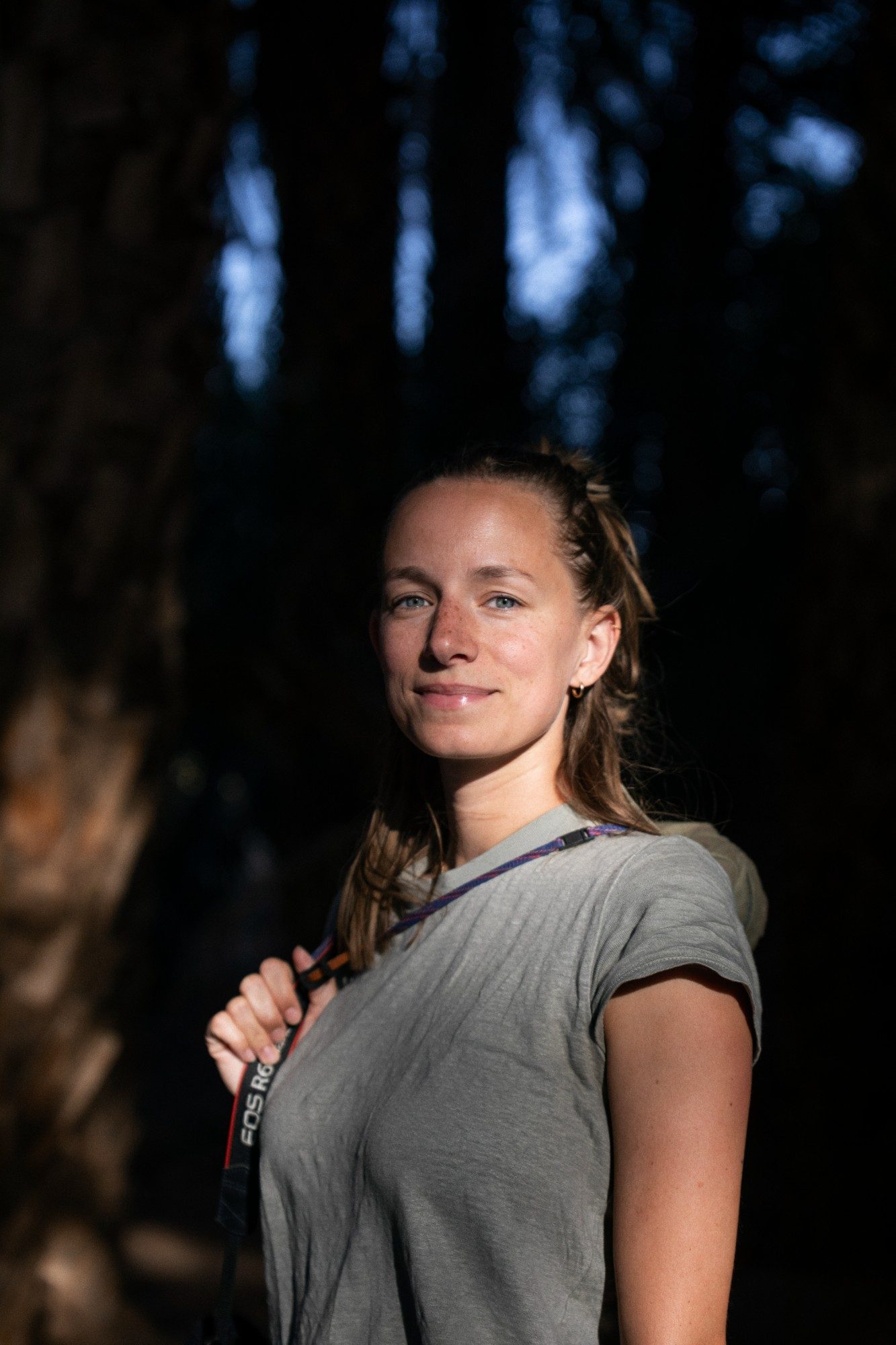
 By Emilie Tricot
Some people seem to be born with a need to keep moving. We have always suspected we were among them.
A few years ago, while reading about nomadism, we came across the DRD4-7R gene, sometimes nicknamed the "nomad gene". Some researchers think it may be linked to our appetite for movement, for wide-open spaces, for novelty.
Science will decide how much truth there is in that. But the idea stayed with us. What if it explained, at least a little, why we never quite manage to settle down? Why, after every trip, we are already thinking about the next one?
That personal question is where Transhumances began.
Because if movement really is part of who we are, then the people to learn from are those who never stopped moving. Across the world, a few communities still follow the seasons with their herds, as their parents and grandparents did before them.
So rather than keep passing through their lands as travellers, we decided to walk with them.
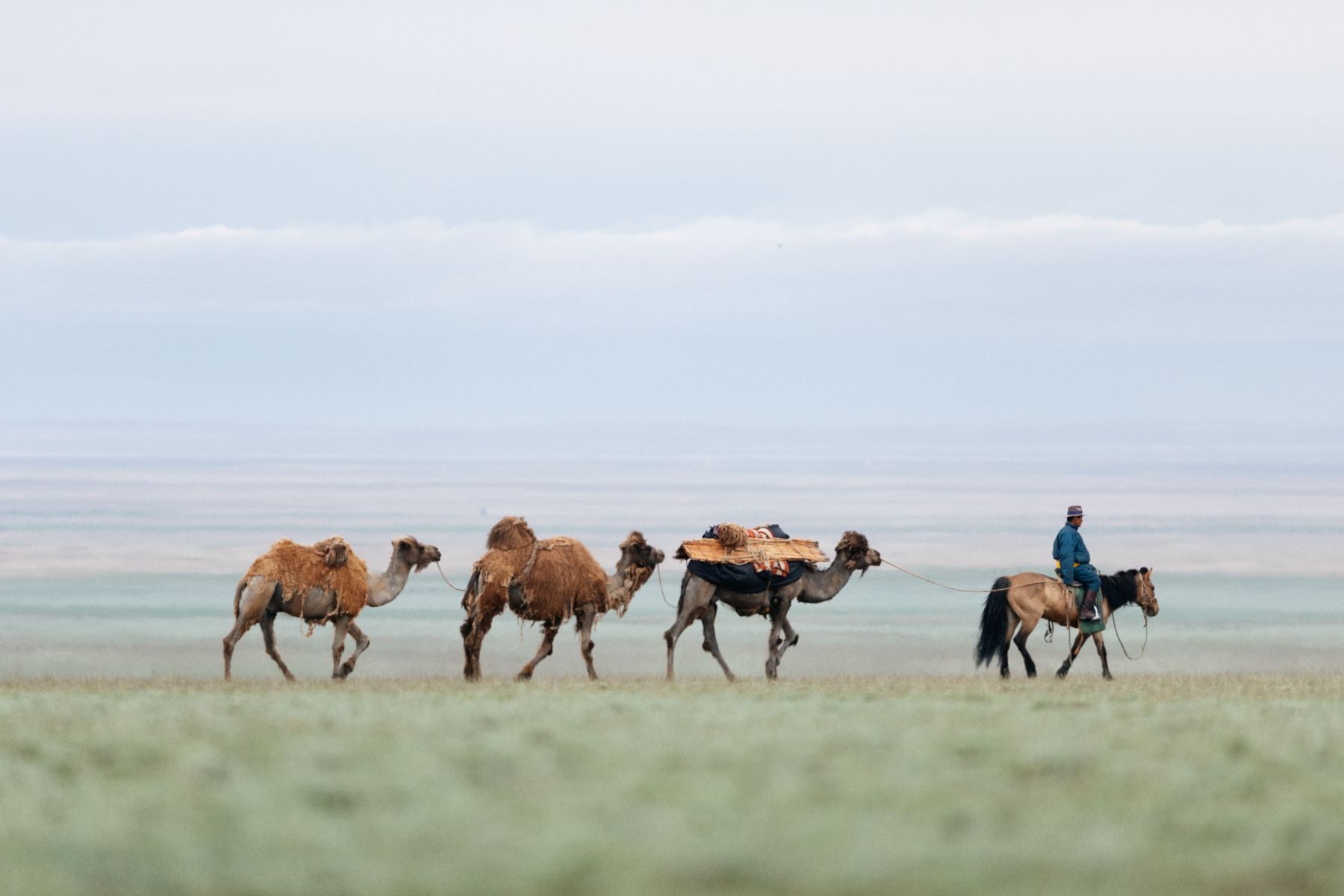
Gombo and some of his camels on their seasonal migration in Uvs, Mongolia - Thomas Cytrynowicz ©
Six migrations, six communities
Over two years, we will share the daily life of six nomadic communities around the world, and walk with them during their seasonal migrations.
Not as observers standing on the side of the road, but as companions. Walking dozens of kilometres a day with the herd, through blizzards and heatwaves, crossing rivers swollen by snowmelt, helping to set up and break camp. With one shared goal: to arrive safely, with every animal.
We have already had the chance to spend time with some of these communities as photographers and travellers. This time, we want to go further, and stay longer.
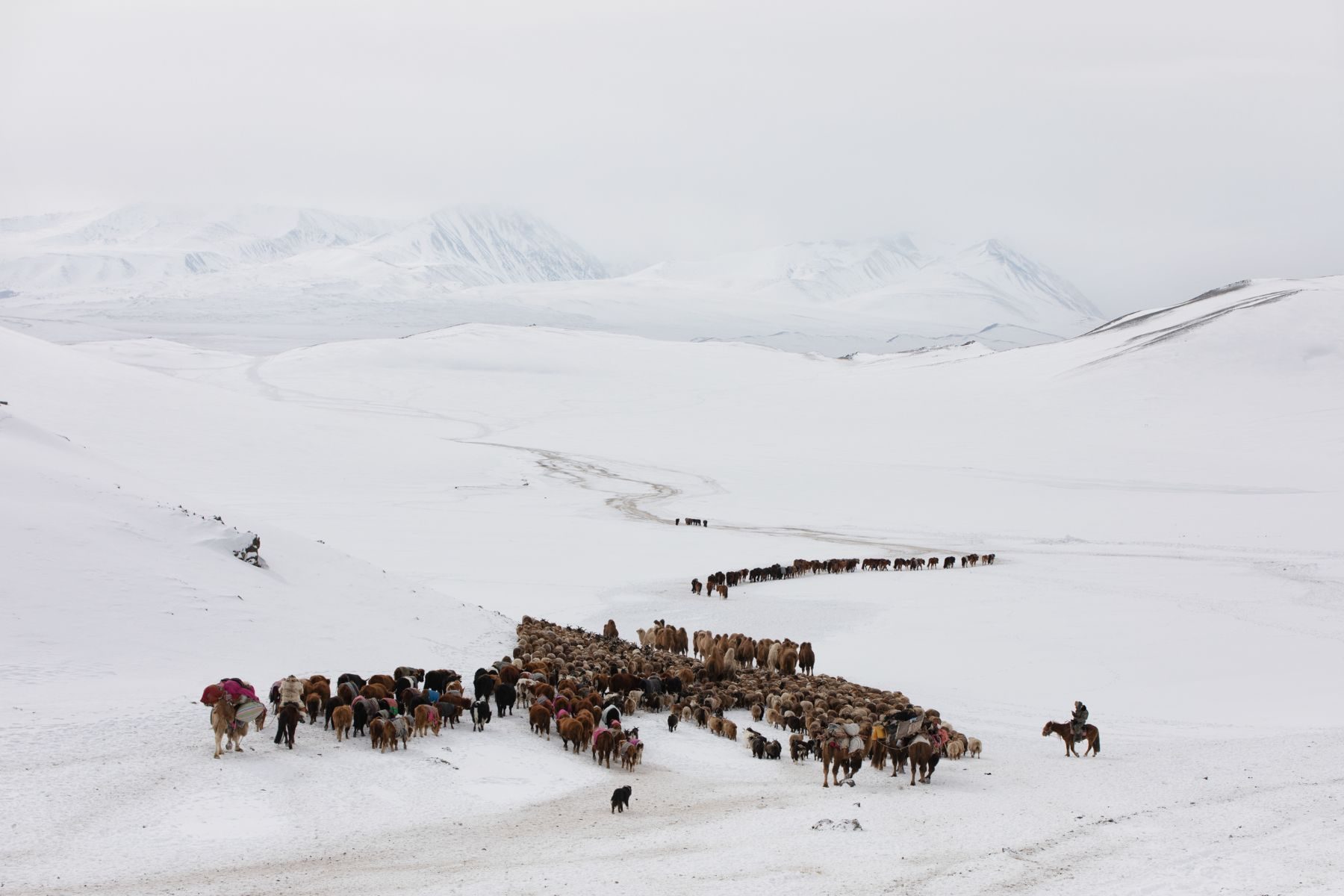
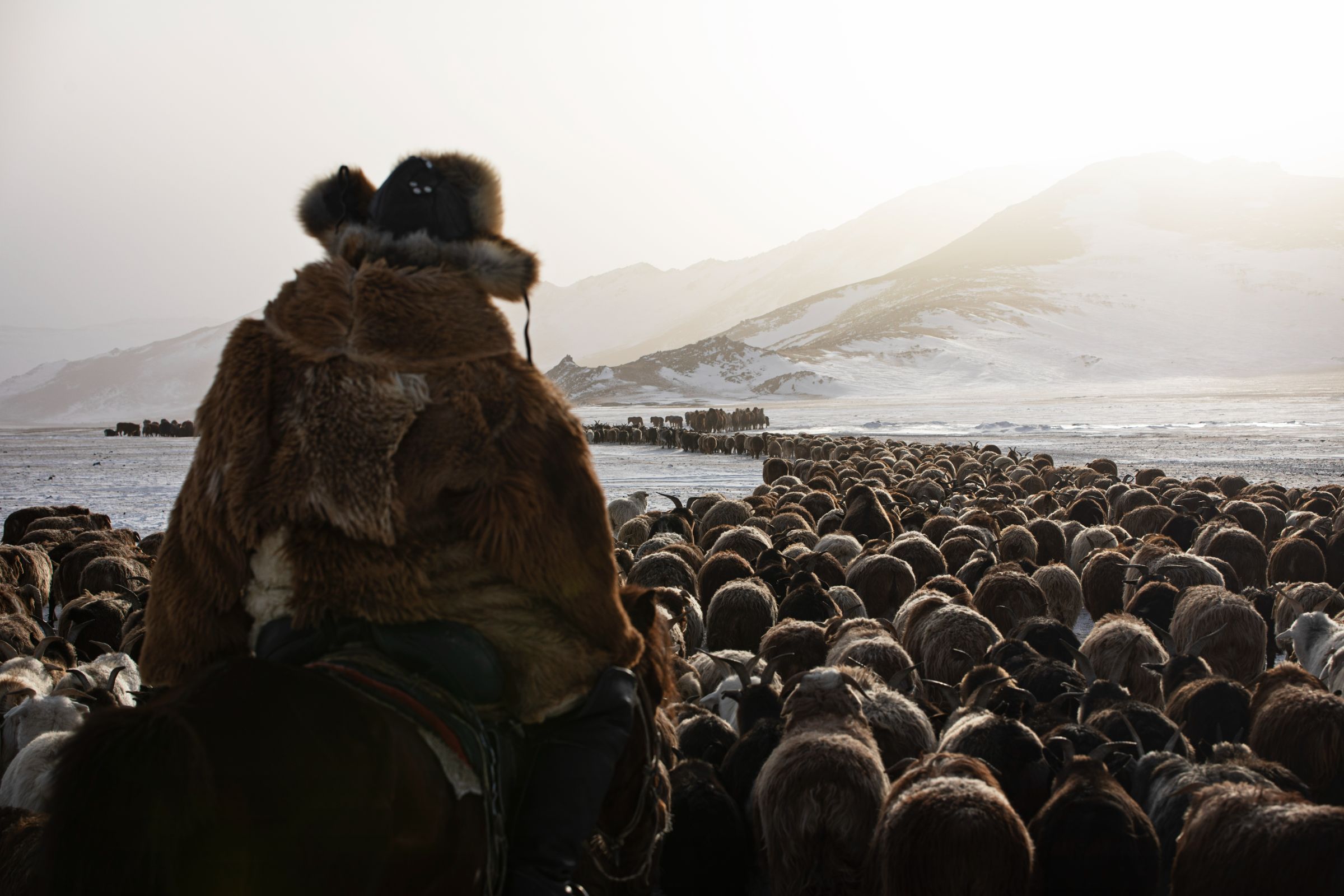
A herd on the move in winter in Western Mongolia - Thomas Cytrynowicz ©
More than a journey
A migration is never just a movement from one place to another. It is a whole web of relationships: between people and their animals, between the herd and the pastures, between families who depend on each other to get through the season.
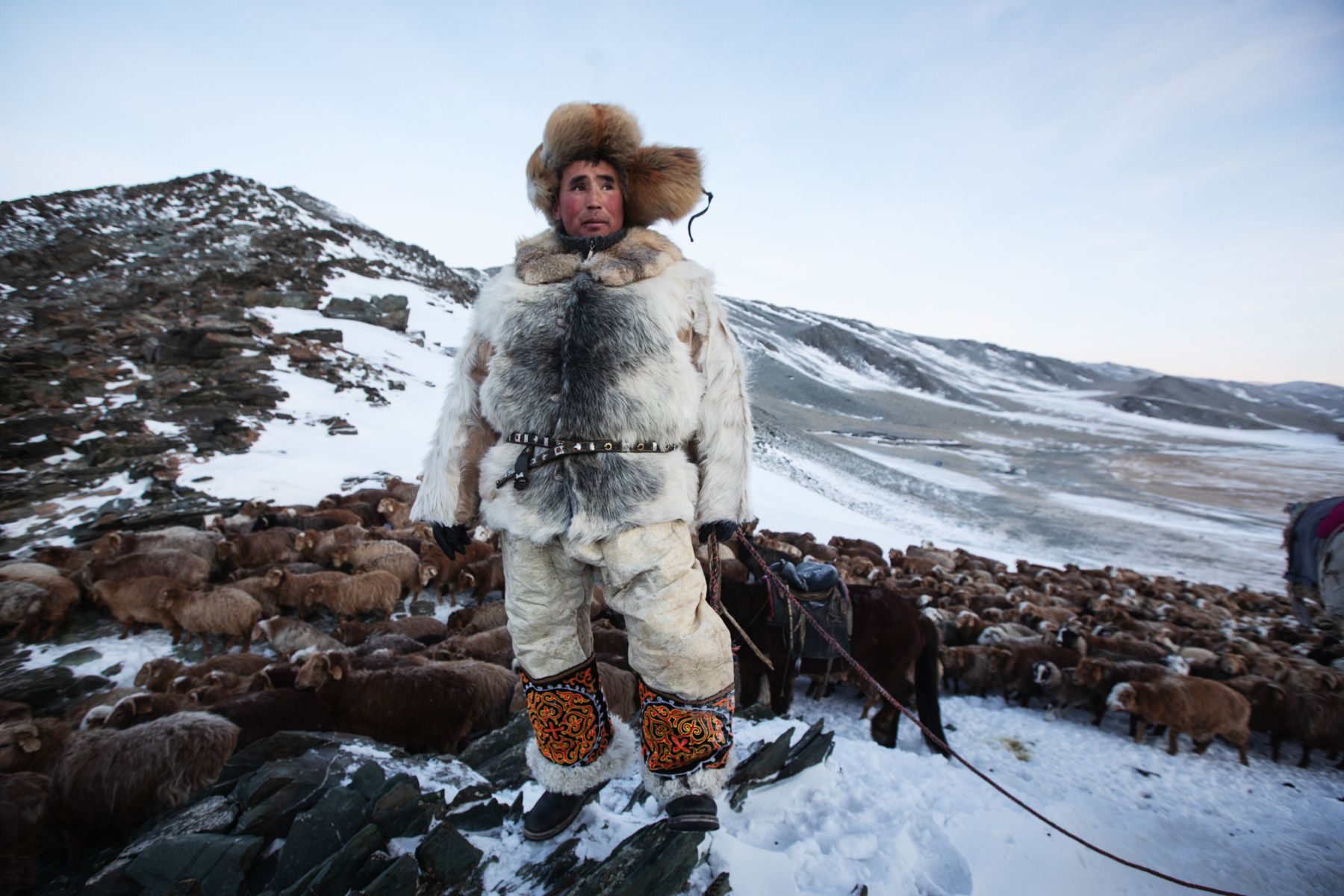
Koke in the cold morning of the winter migration, Western Mongolia - Thomas Cytrynowicz ©
The survival of these communities depends on the health of their animals, on the rains that bring the grass back, and on the solidarity within the group. Most of these relationships have become invisible to those of us who live settled lives in cities.
And yet, the collapse of biodiversity, the erosion of soils and the pollution of our water all say something about how far we have drifted from the rest of the living world. That distance is social too: our lives are more individual, less anchored in family and community.
We want to learn from those who never stopped living in step with nature, and with each other.
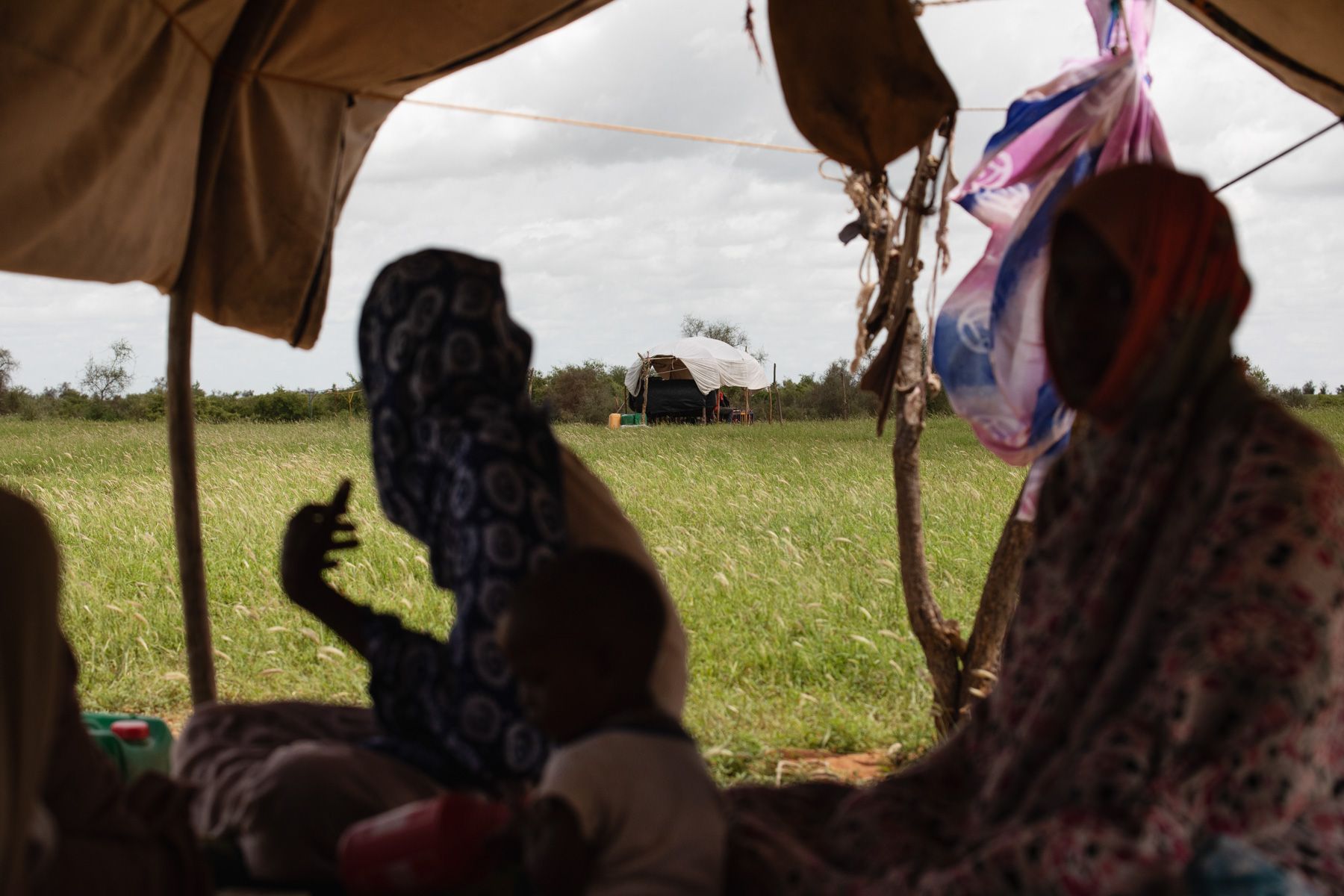
Women sit under their tent in the Mauritanian grasslands - Thomas Cytrynowicz ©
These ways of life are also under growing pressure. The climate crisis makes the seasons harder to predict, and the privatisation of land and water closes routes that have been used for centuries. Nomads have to rely on their knowledge more than ever, and keep adapting.
Transhumances doesn't try to romanticise nomadic life. We want to understand why these families choose to carry on, despite how demanding it is, and what their choices can teach us about our own relationship with comfort, with nature and with time.
A film series, a photo series
From each migration, we will bring back an episode of a documentary series and a photo series. The films follow the journey as a whole; the photographs go deeper into individual stories. A young herder on his first migration, an old matriarch, proud of the traditions her children have kept alive.
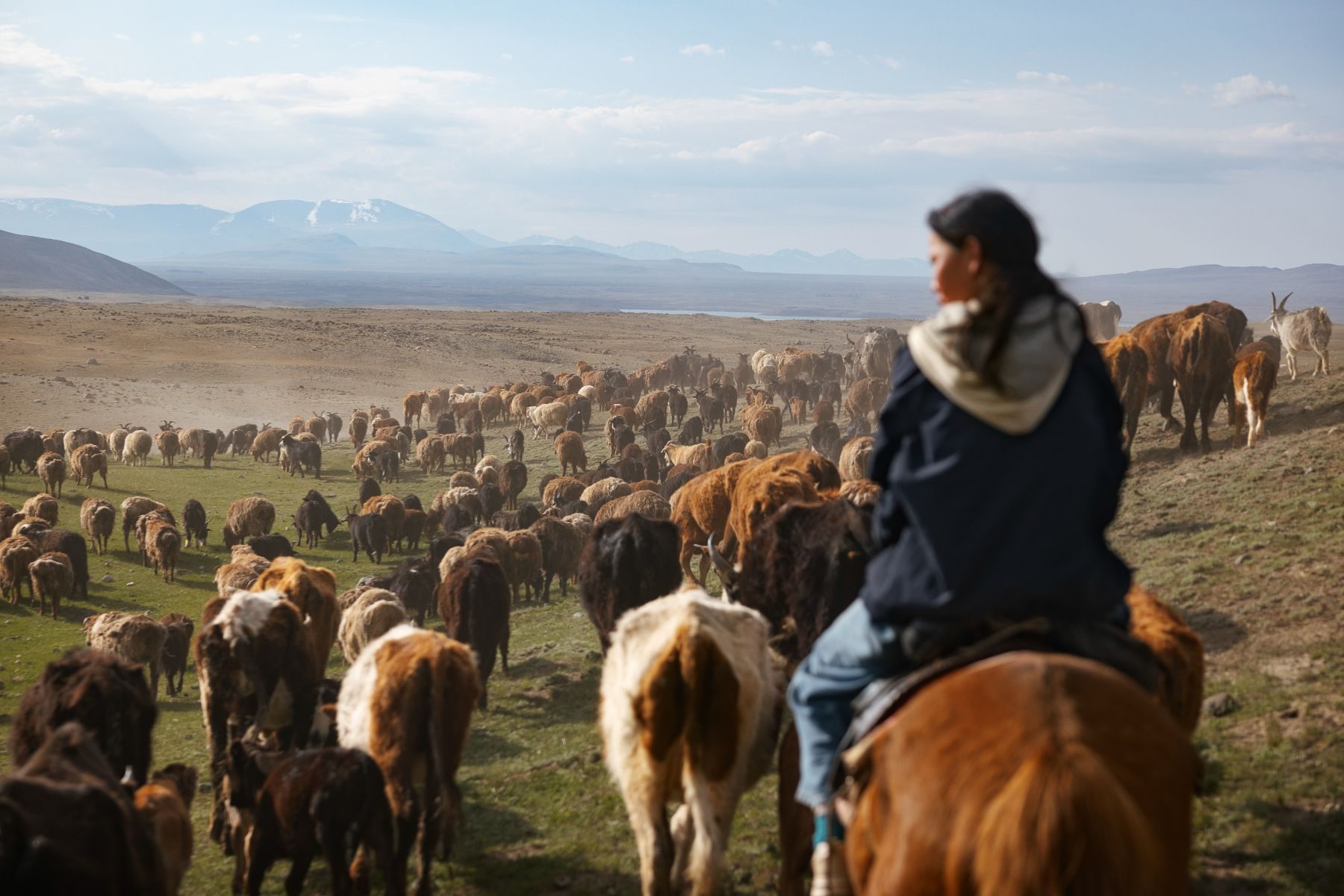
Exclusive photo from our upcoming chapter I, Kujic's summer migration - Thomas Cytrynowicz ©
The first chapter, Kujic's summer migration, is already in production, and you can watch the Transhumances trailer on our Film page.
Along the way, we will share short films and photographs on Instagram and YouTube, and in our newsletter. An exhibition and screenings will follow, starting with Brussels and Strasbourg in 2027.
- 2 years on the move
- 6 countries, 6 communities, 6 migrations
- 6 documentary episodes and a photo series
- An exhibition and screenings from 2027, in Brussels and Strasbourg
In the end, Transhumances asks a simple question, one that goes far beyond nomadic life: how do we find a sense of connection, of community, in a world where everything feels fragmented?
We don't expect to come back with the answer. But we know where we want to look for it: on foot, at the pace of the herd.